 01
01LCL concept
Compare shared-space planning when the packed load does not need a whole container. Availability, minimums and acceptance still require confirmation.
Open reference →Educational planning references. Operating acceptance, route and final amount require confirmation.
Turn boxes, pallets and furniture into a clear CBM worksheet—then prepare the evidence needed for a useful cargo enquiry.
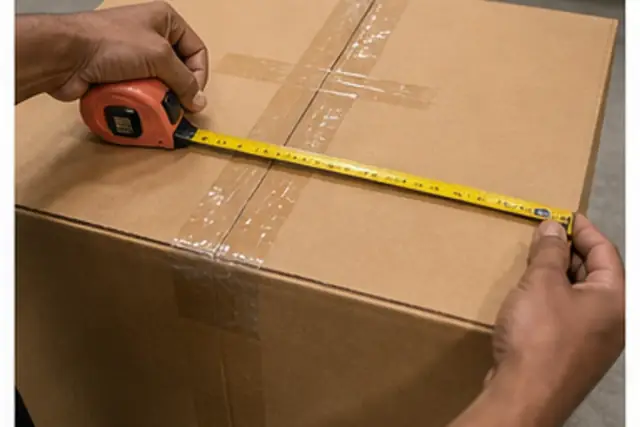
A cargo enquiry becomes easier to review when dimensions, quantity, packing condition, known weight and photos describe the same final load. This site teaches that preparation; it does not confirm an operator, route, schedule or acceptance.
01Compare shared-space planning when the packed load does not need a whole container. Availability, minimums and acceptance still require confirmation.
Open reference →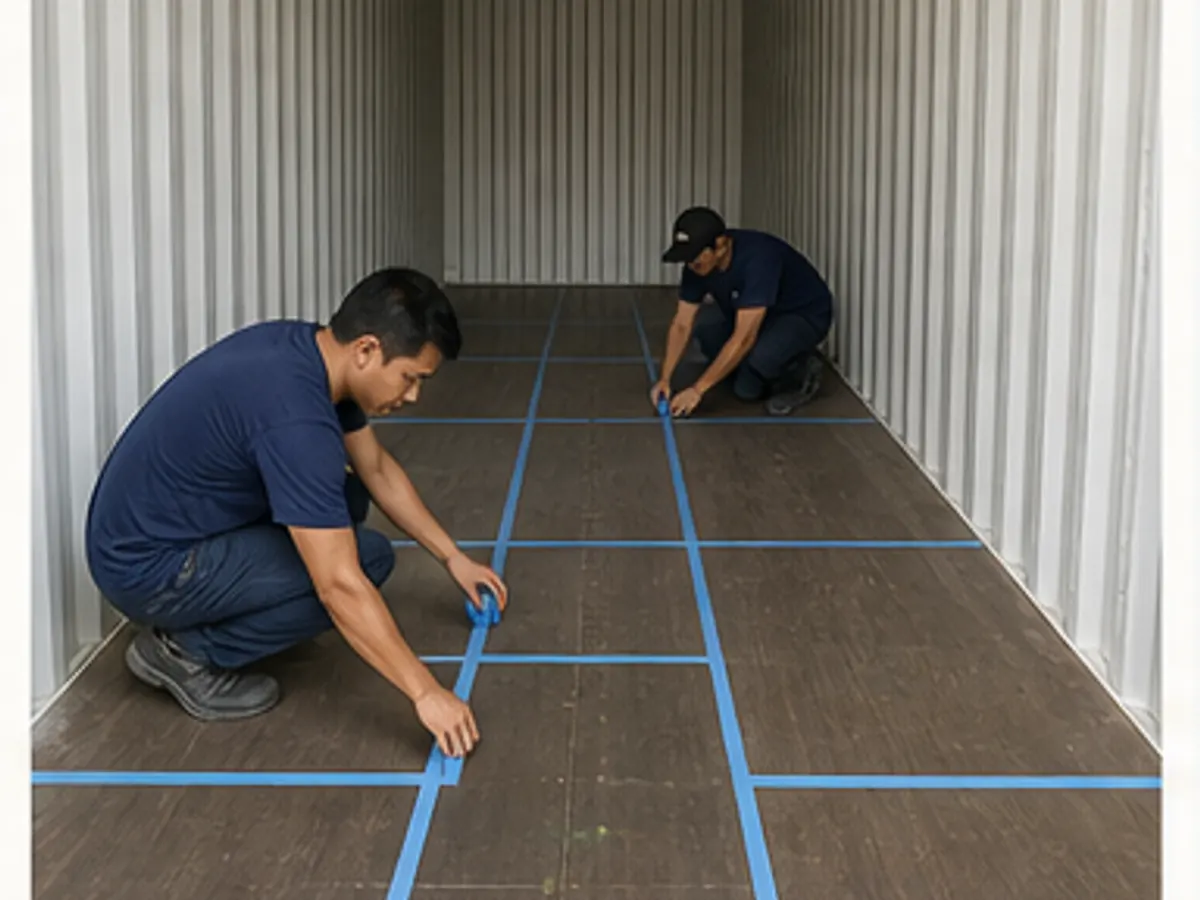 02
02Explore whole-container planning when volume, control or the load plan points in that direction. Equipment and operation remain unverified.
Open reference →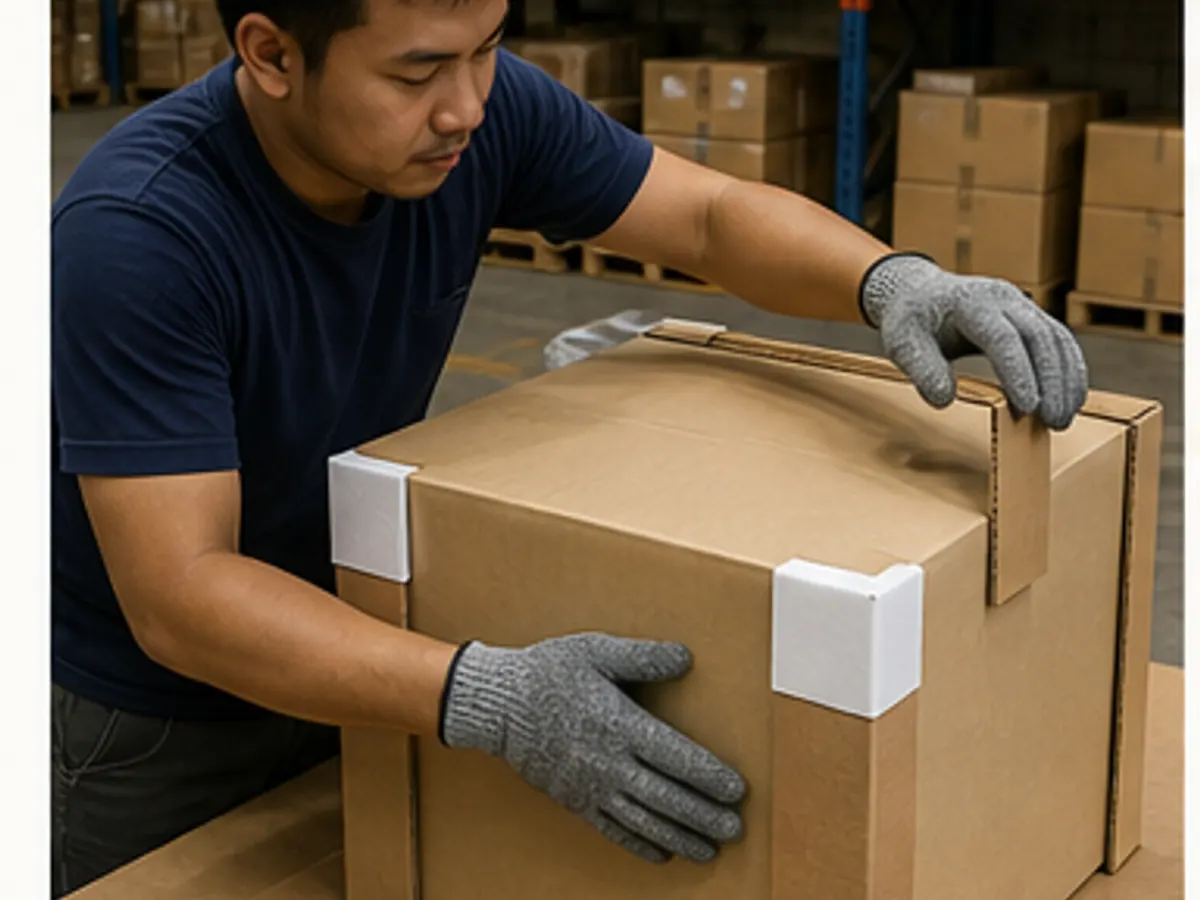 03
03Match protection to the packed item: corners, wrap, straps, dividers, blankets or a crate.
Open reference →Enter centimetres for one packed unit, then its quantity.
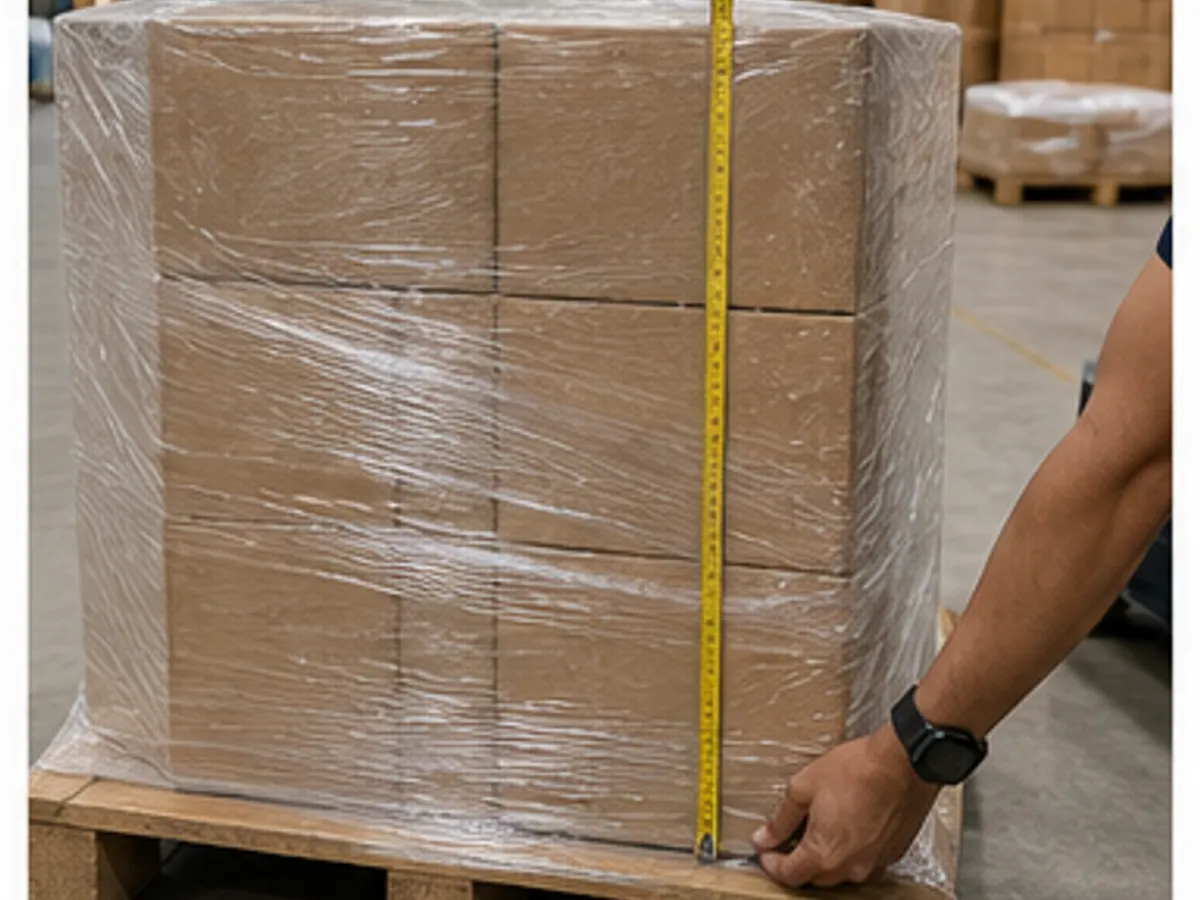
Measure the final outer box, including any reinforcement.
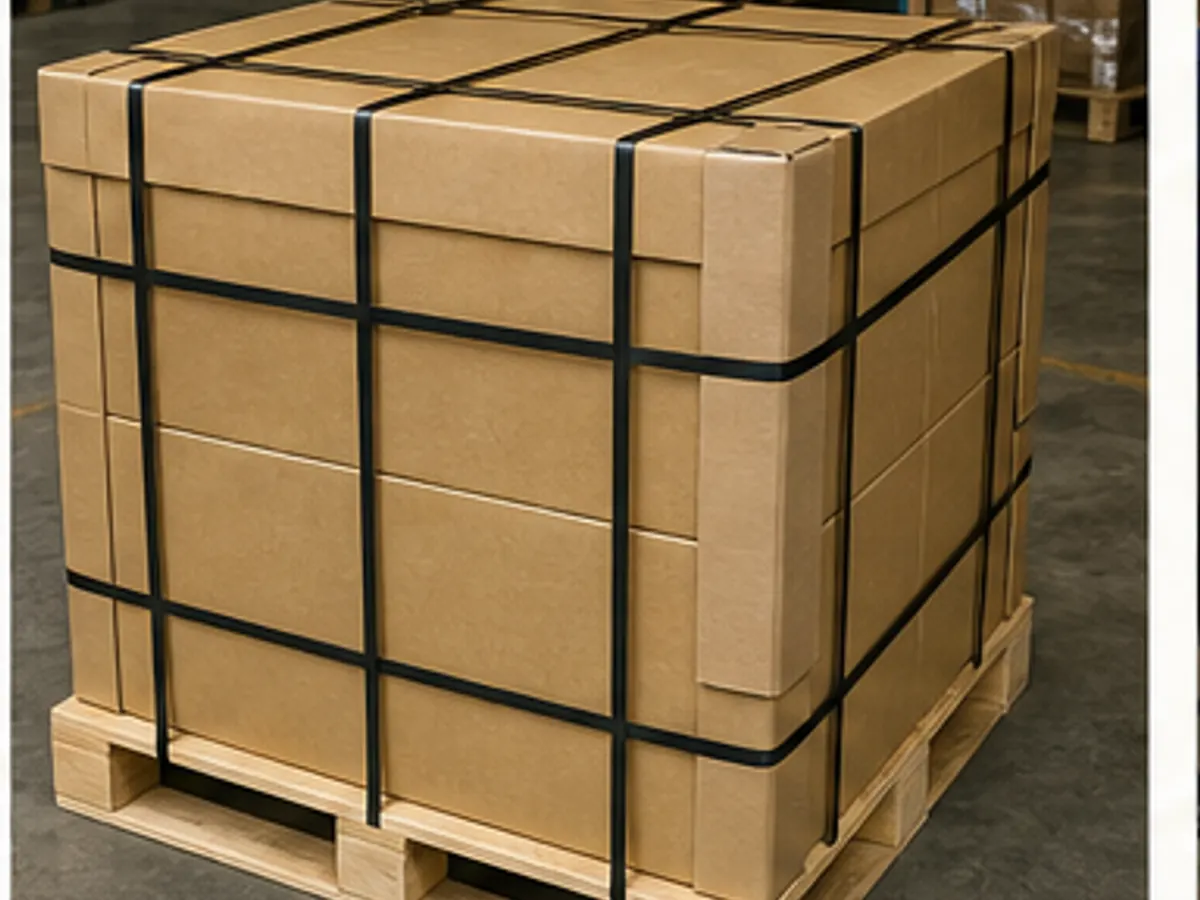
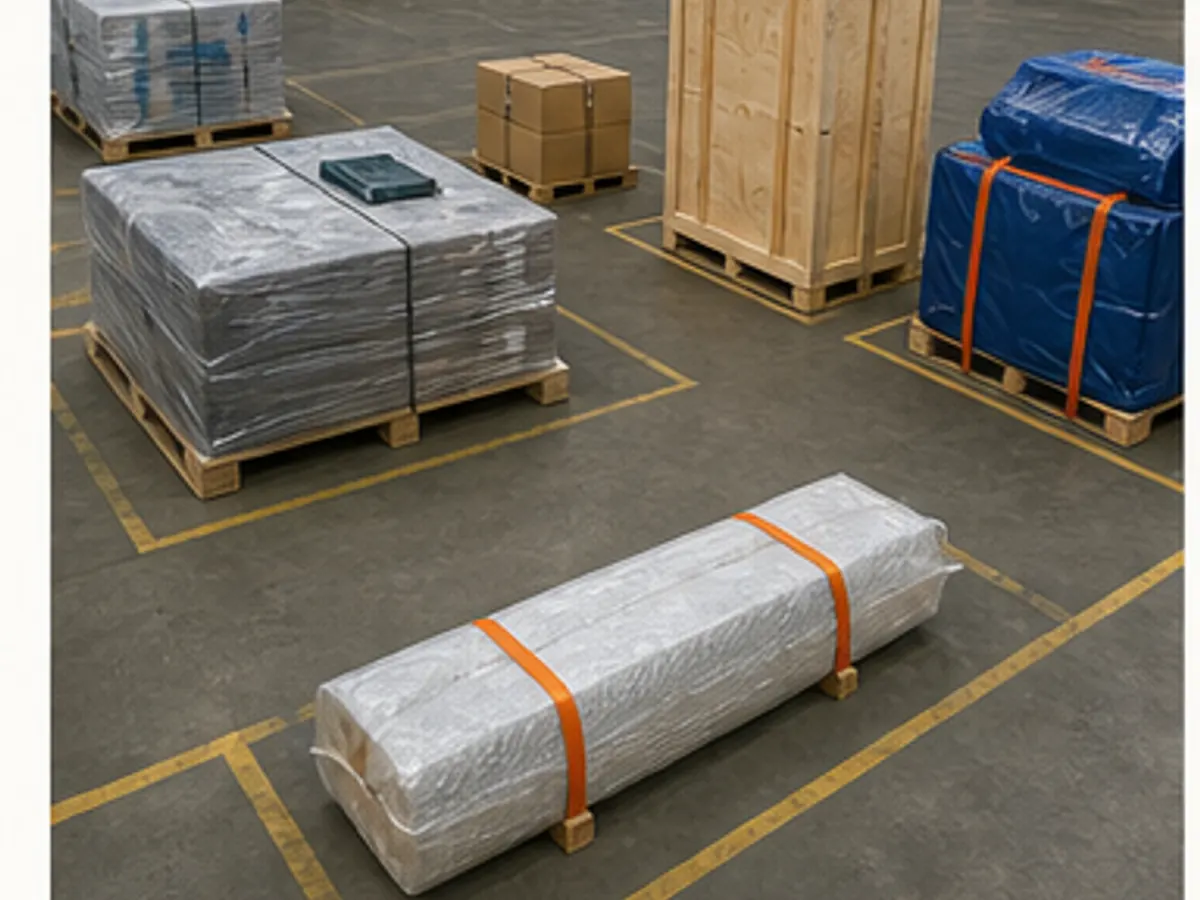
Measure the widest wrap, not only the timber base.
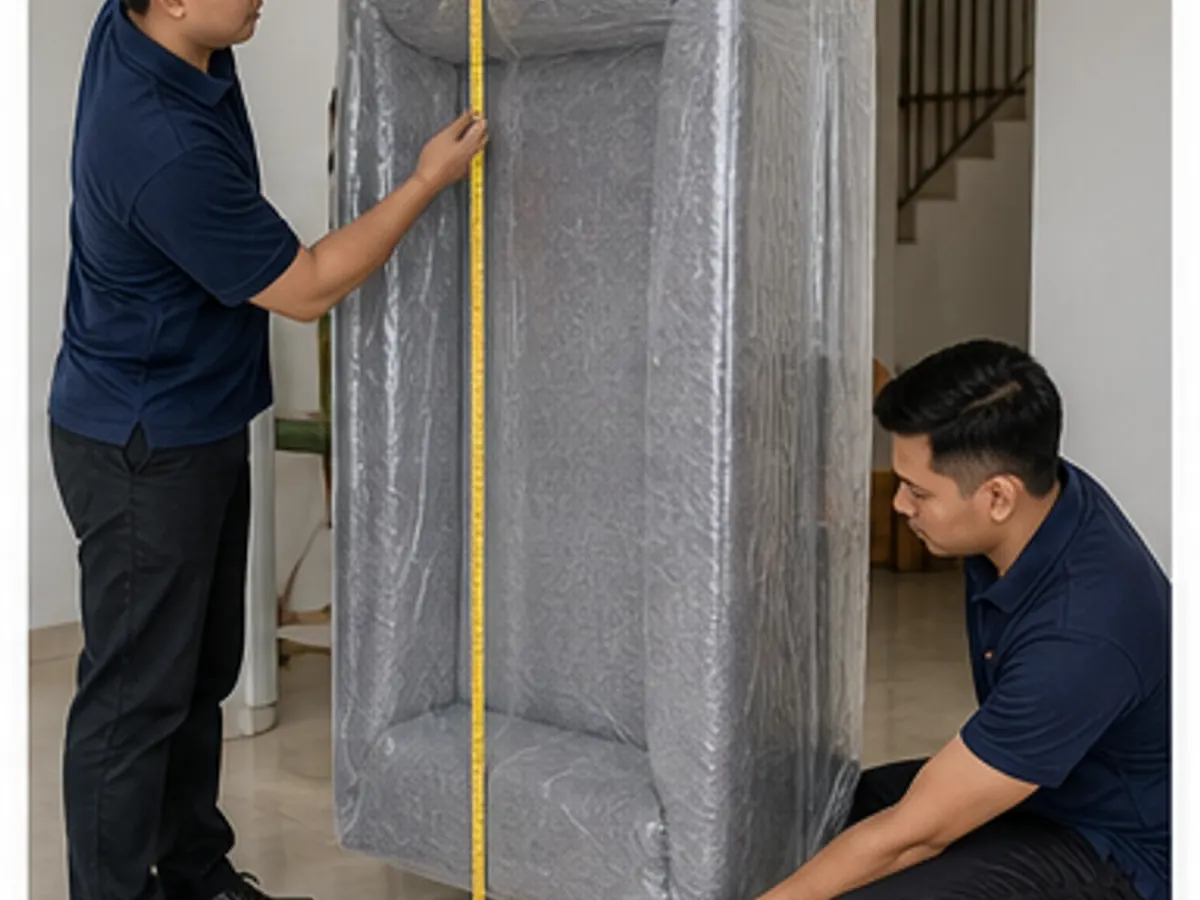
Include blankets, corner guards and protruding parts.
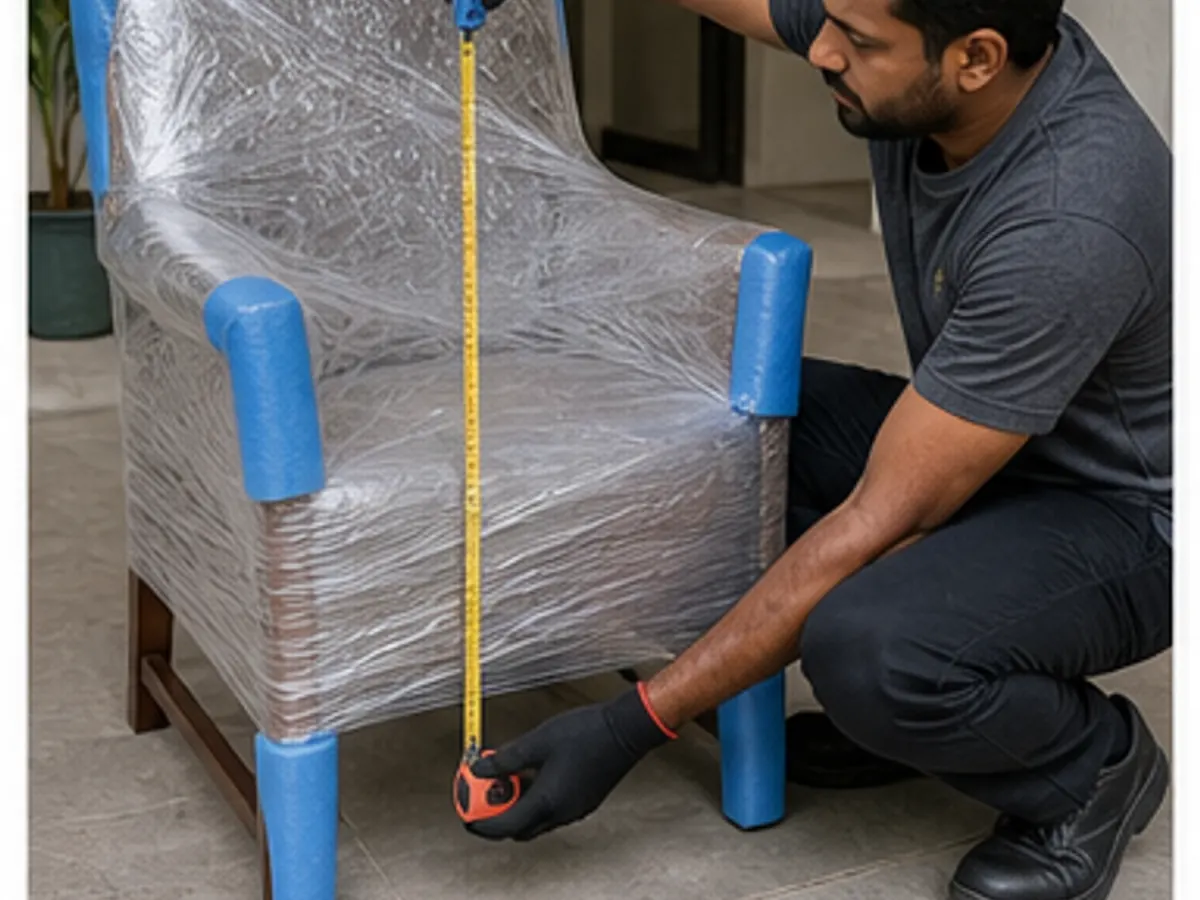
Use the longest, widest and highest protected points.
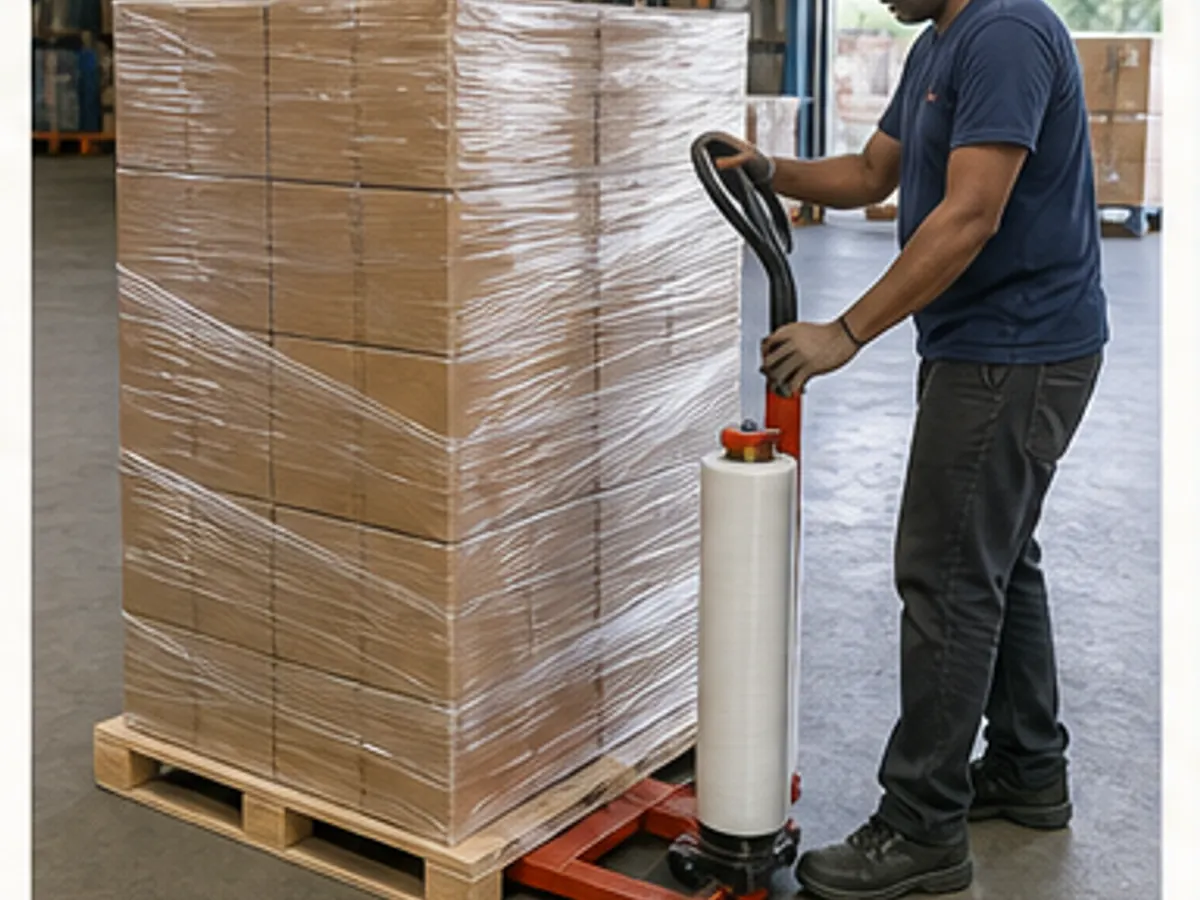 01
01Use final outside dimensions after protection is applied.
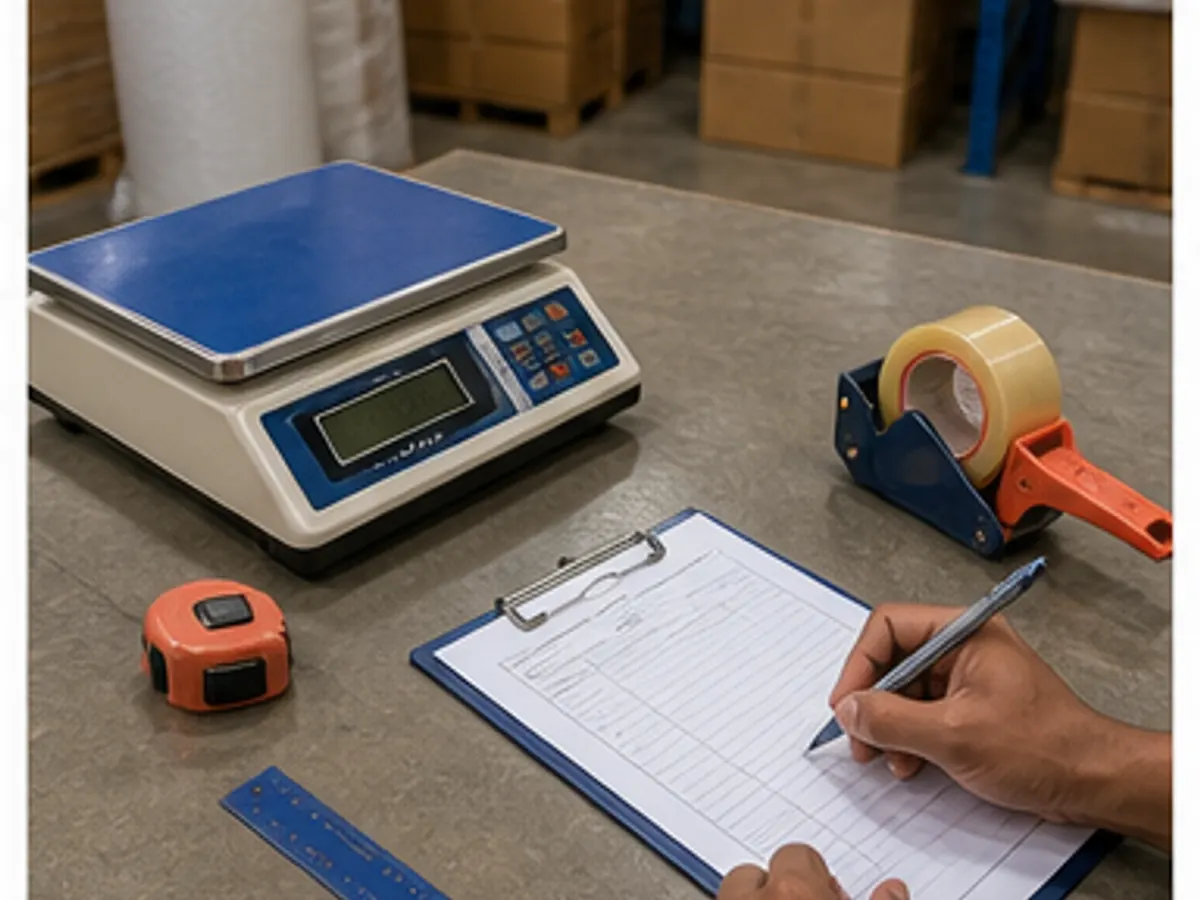 02
02Record length, width and height at the furthest packed points.
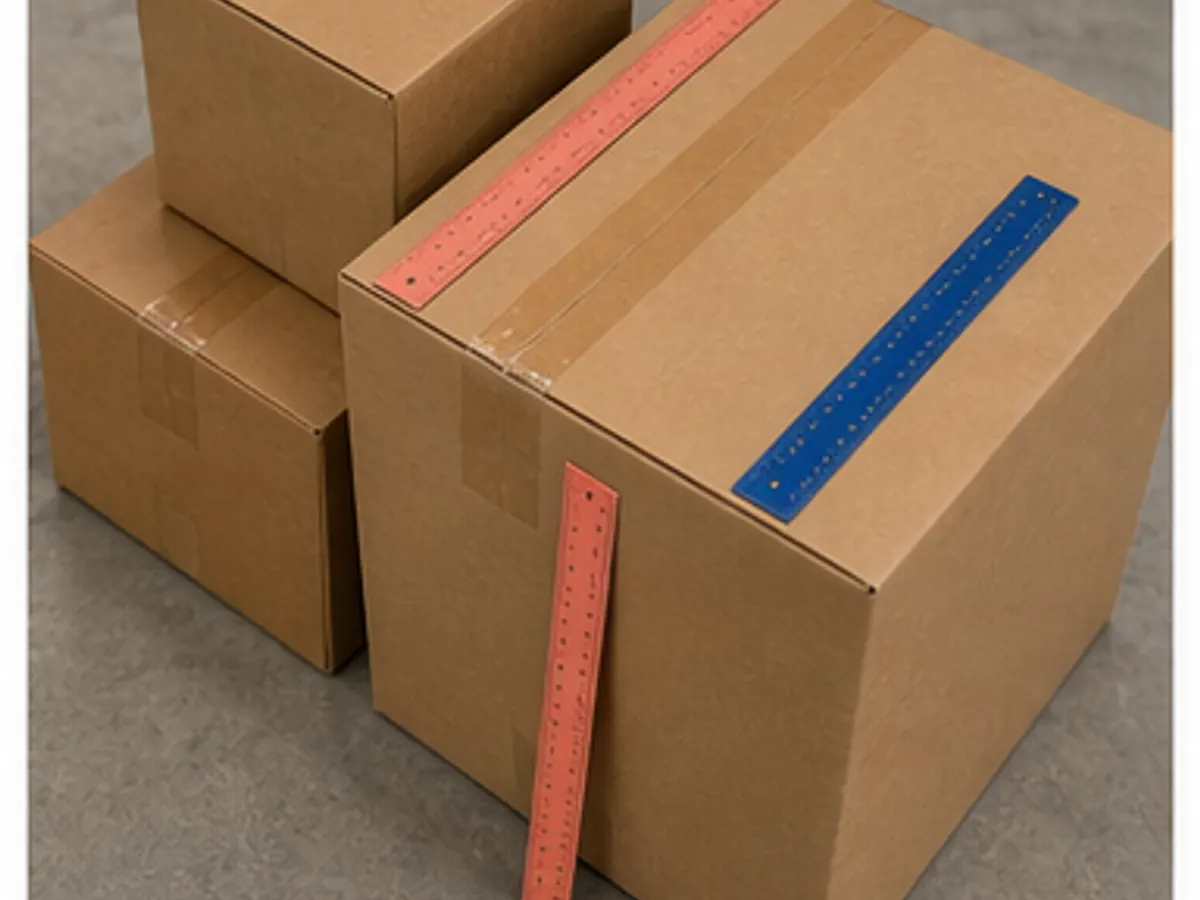 03
03Separate unit types when their packed dimensions differ.
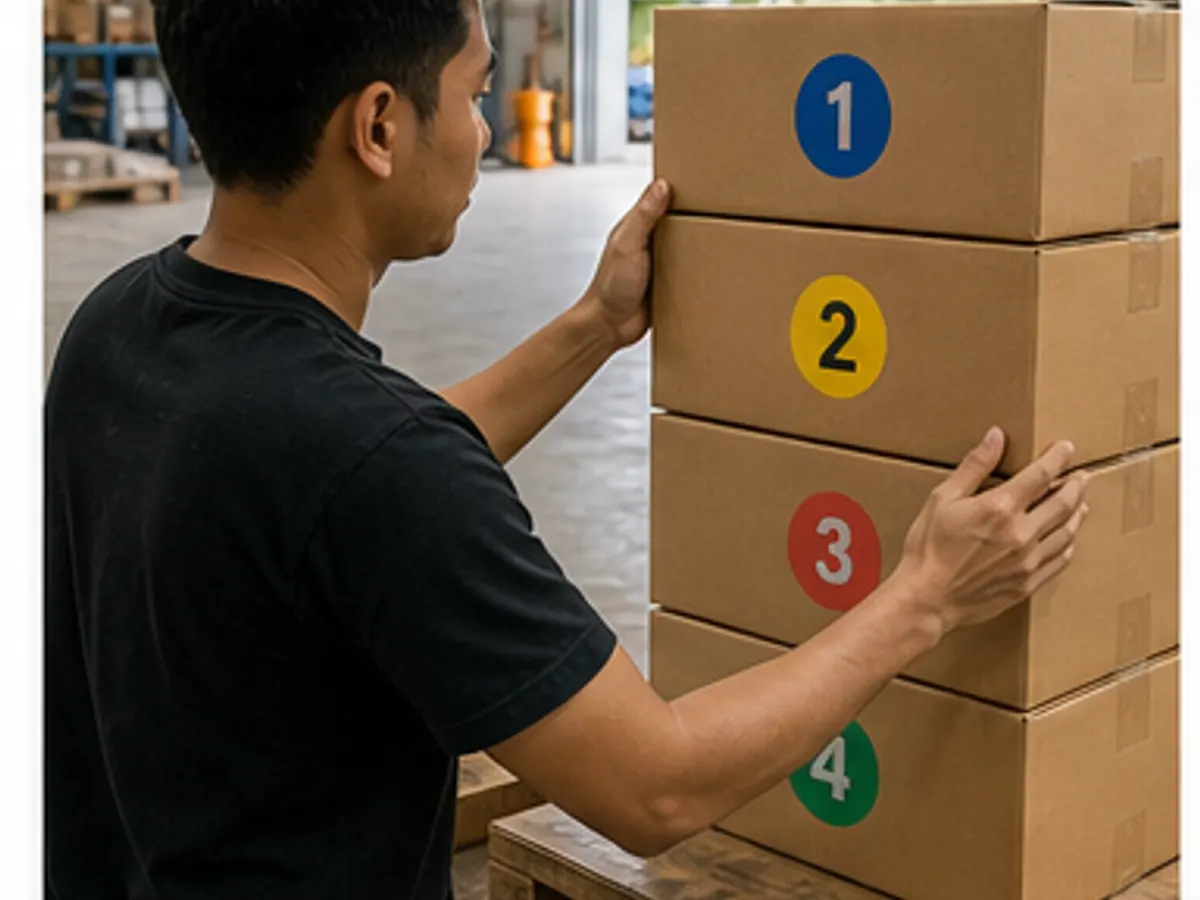 04
04Match every package ID to the inventory and photographs.
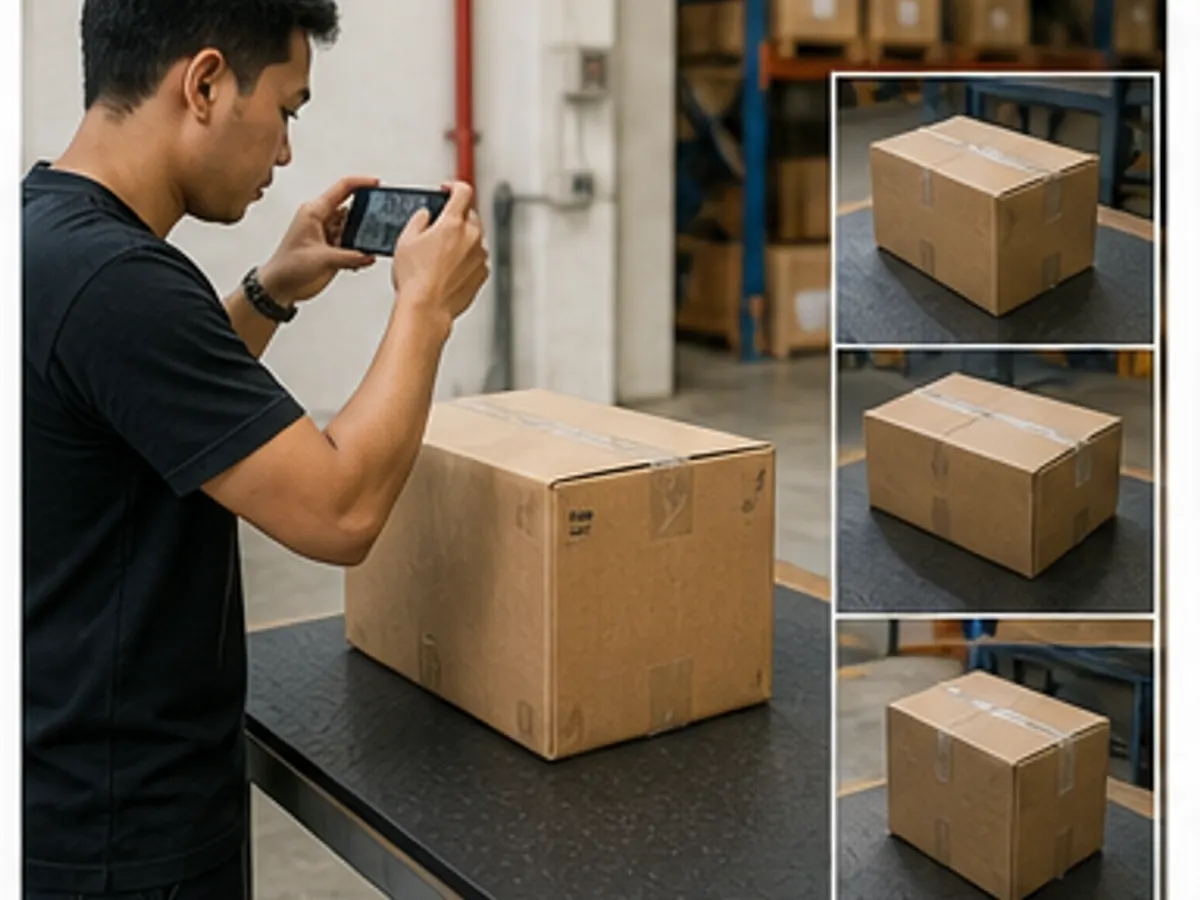 05
05Capture closed packaging, corners, seals and unusual handling points.
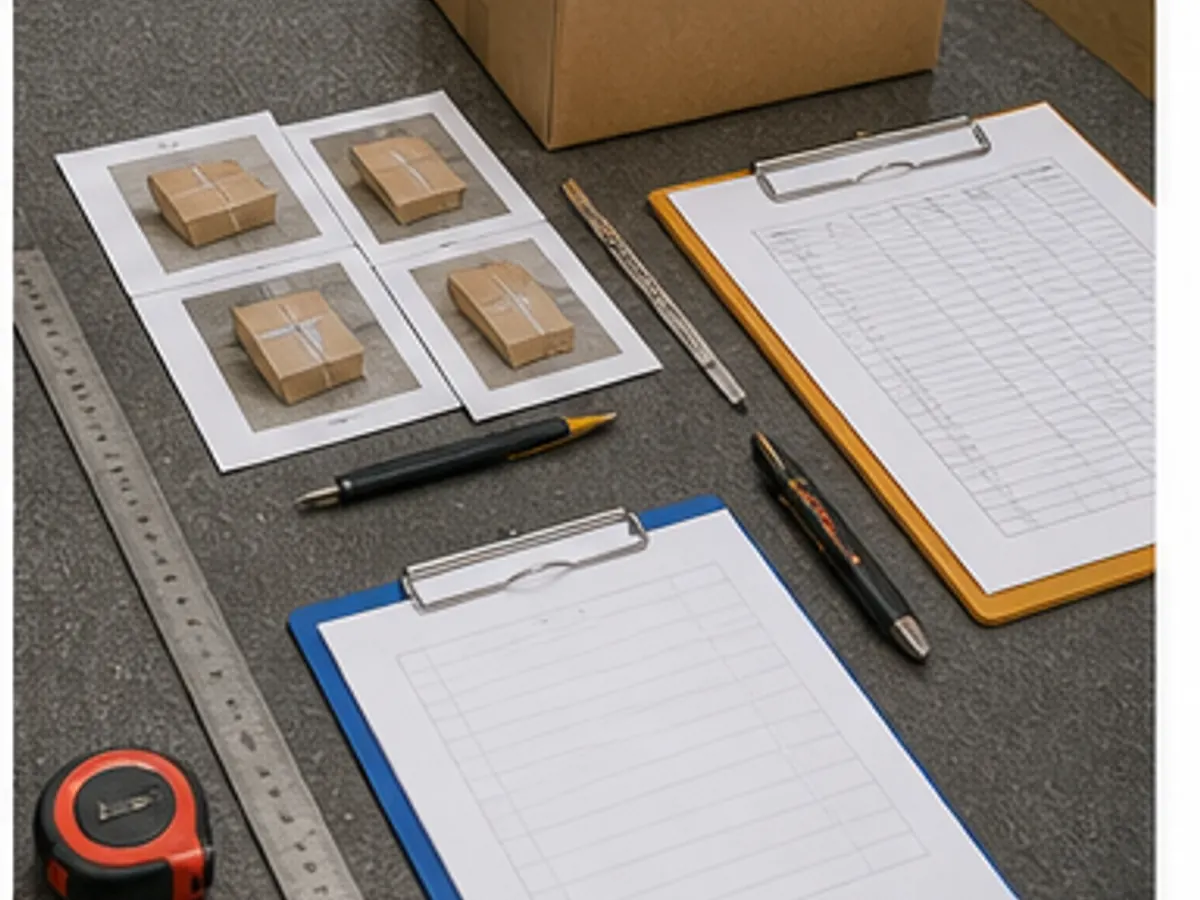 06
06Keep dimensions, quantity, known weight, contents and evidence together.
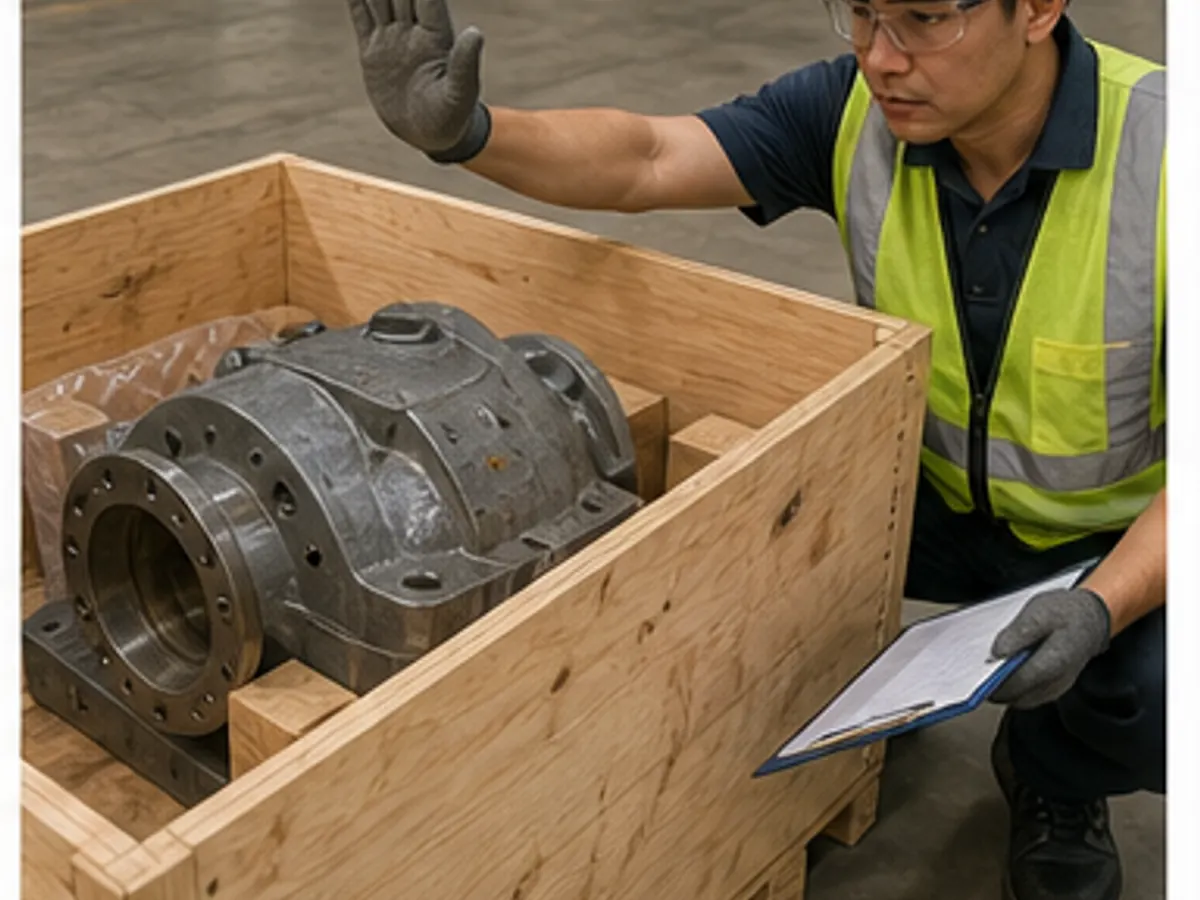
Liquids, batteries, chemicals, machinery, food, temperature-sensitive, high-value or otherwise unusual goods should be described plainly and held for operating approval. This lab does not determine acceptance.
Prepare the disclosure ↗